Fresh Home Décor Trends Taking New Zealand by Storm in 2026
The Evolution of Kiwi Living Spaces
New Zealand's domestic aesthetic landscape is undergoing a profound metamorphosis as we step into 2026. The confluence of global design movements and quintessentially Kiwi sensibilities has birthed a distinctive decorative vernacular that celebrates both innovation and heritage. This transformative period reflects not merely fleeting fashion, but a deeper recalibration of how New Zealanders conceptualise their living environments.
The contemporary home décor trends 2026 New Zealand encompasses a sophisticated amalgamation of sustainability consciousness, technological integration, and cultural authenticity. Homeowners are increasingly gravitating toward pieces that narrate stories—whether through locally-sourced materials, artisanal craftsmanship, or culturally resonant motifs that pay homage to Aotearoa's rich tapestry.
This evolution transcends superficial styling choices, encompassing a holistic approach to spatial curation that prioritises emotional resonance and environmental stewardship. The discerning New Zealand consumer now seeks furnishings and decorative elements that simultaneously serve functional purposes whilst contributing to a cohesive aesthetic narrative.
Biophilic Design Renaissance
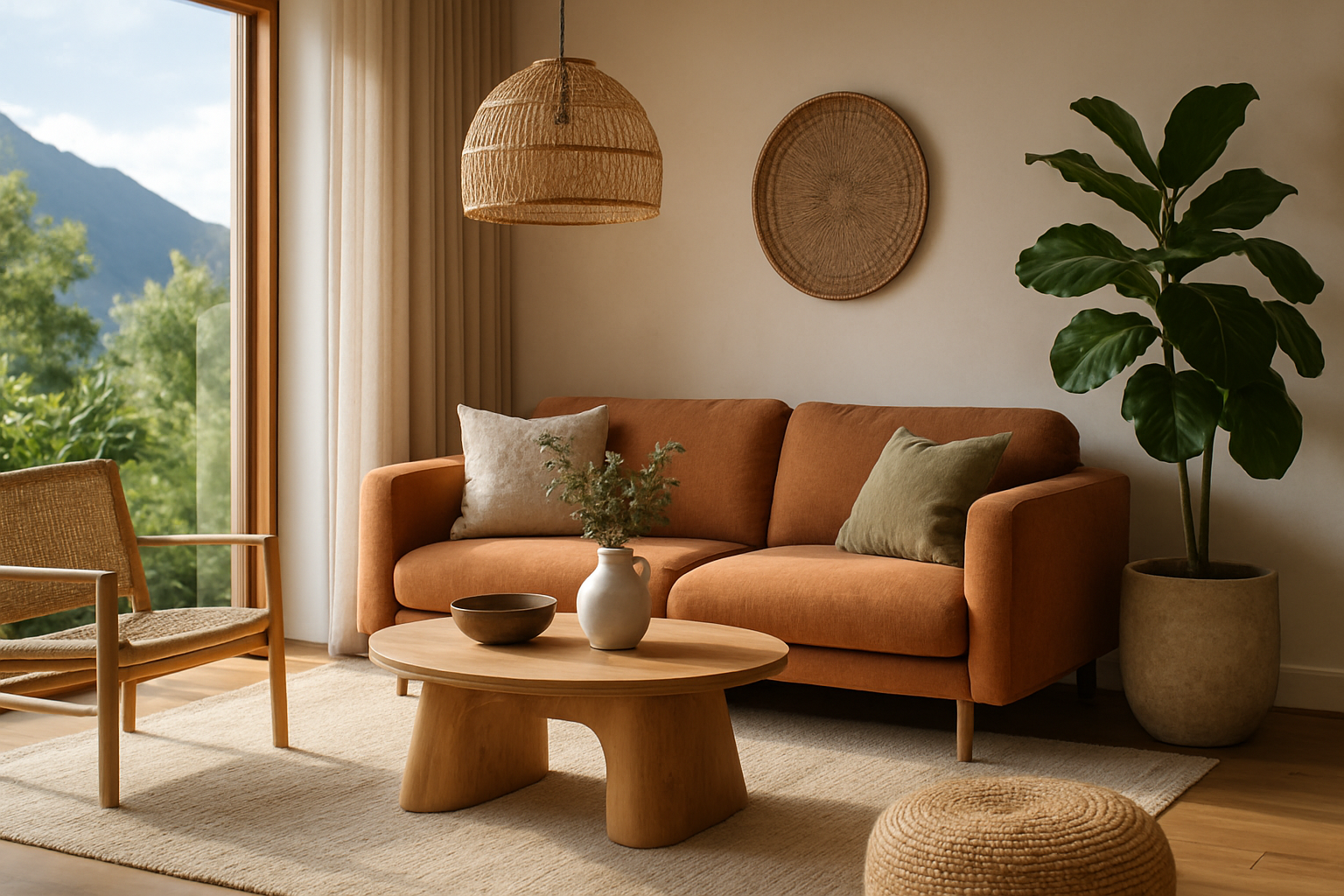
The biophilic movement has reached unprecedented prominence within New Zealand's interior design sphere, reflecting the nation's intrinsic connection to its spectacular natural environment. This trend manifests through strategic incorporation of organic forms, natural textures, and living elements that blur the demarcation between interior and exterior spaces.
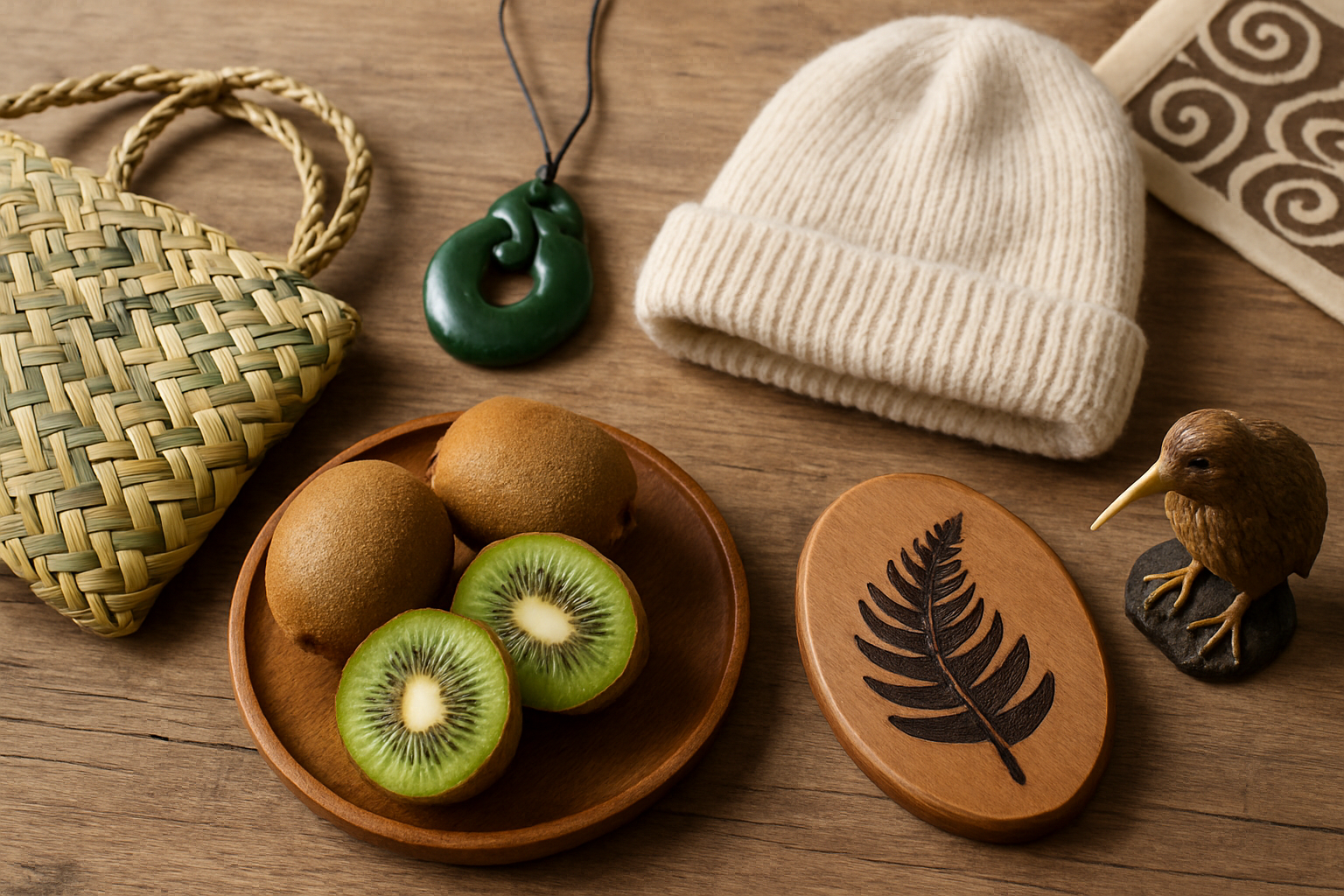
Contemporary interpretations include sculptural planters fashioned from locally-sourced timber, living walls featuring indigenous flora, and furniture pieces that echo the undulating contours of New Zealand's landscapes. Raw materials such as untreated rimu, pounamu-inspired ceramics, and woven harakeke elements are experiencing resurgent popularity among design-conscious consumers.
Native Flora Integration
The incorporation of endemic plant species into domestic environments has evolved beyond traditional houseplants toward sophisticated botanical installations. Kawakawa, with its distinctive heart-shaped foliage, is being cultivated as an indoor specimen, whilst miniature nikau palms serve as dramatic focal points in contemporary living spaces.
Terrarium culture has embraced indigenous moss varieties and diminutive ferns, creating miniaturised ecosystems that celebrate New Zealand's diverse flora. These installations serve dual purposes—purifying indoor air whilst establishing visual connections to the broader natural environment.
Sustainable Material Innovations
Revolutionary advances in eco-conscious manufacturing have yielded fascinating material innovations that resonate with environmentally-aware consumers. Recycled ocean plastics are being transformed into sleek furniture components, whilst agricultural waste from kiwifruit and wine industries is being repurposed into decorative panels and sculptural elements.
"The future of New Zealand design lies not in copying international trends, but in amplifying our unique relationship with the natural world through thoughtful material choices and indigenous inspiration." - Leading Auckland-based interior designer
Discovering Fresh Inspiration at The Comeliness
For those seeking to embrace the latest home décor trends 2026 New Zealand, The Comeliness Limited presents an exceptional curated collection of contemporary pieces that perfectly encapsulate the current design zeitgeist. Their newest arrivals showcase the perfect synthesis of global sophistication and distinctive Kiwiana aesthetics that define modern New Zealand living.
This thoughtfully assembled collection addresses the contemporary homeowner's desire for pieces that transcend mere decoration, offering functional artistry that celebrates local craftsmanship whilst meeting practical daily needs. From artist-collaborated homeware to innovative storage solutions, these pieces seamlessly integrate into existing décor schemes whilst introducing fresh visual interest and cultural authenticity.
The collection particularly excels in bridging the gap between international design movements and uniquely New Zealand sensibilities, ensuring that trend-conscious homeowners can achieve contemporary sophistication without sacrificing cultural connection or environmental responsibility.
Maximalist Minimalism Movement
A fascinating paradox has emerged within New Zealand's design consciousness—the simultaneous embrace of minimalist principles and maximalist expression. This seemingly contradictory approach manifests through carefully curated collections of meaningful objects rather than sparse, sterile environments.
The movement prioritises intentional acquisition over accumulation, encouraging homeowners to invest in fewer, more significant pieces that deliver substantial visual impact. Statement ceramics, oversized textile artworks, and sculptural lighting installations serve as focal points within otherwise restrained spatial compositions.
Artisanal Ceramics Revival
Hand-thrown pottery has experienced remarkable renaissance, with local artisans experimenting with unconventional glazing techniques and organic forms inspired by geological formations. Volcanic ash glazes, tidal pool colour palettes, and textures reminiscent of weathered coastlines characterise this burgeoning ceramic movement.
Functional vessels—from serving platters to decorative vases—increasingly serve dual roles as sculptural elements, blurring traditional boundaries between utility and artistry. This approach aligns perfectly with New Zealand's pragmatic aesthetic philosophy whilst satisfying contemporary desires for authentic, handcrafted beauty.
Textile Innovation and Cultural Fusion
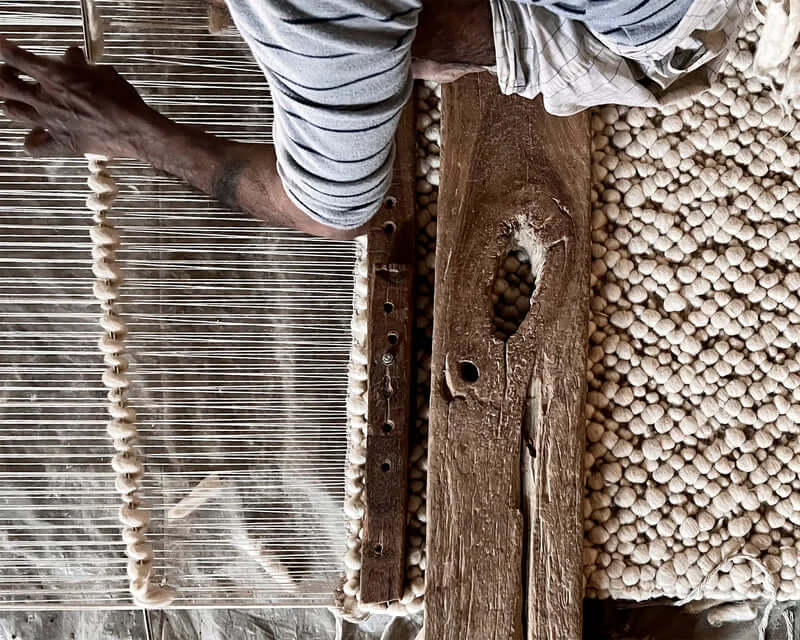
Traditional weaving techniques are experiencing sophisticated reinterpretation through contemporary materials and colour palettes. Harakeke artists are incorporating metallic threads and synthetic fibres alongside natural materials, creating hybrid textiles that honour ancestral techniques whilst embracing modern innovation.
Wall hangings, floor coverings, and soft furnishings featuring these evolved traditional techniques serve as powerful cultural anchors within contemporary interiors. The resulting pieces celebrate Māori and Pacific Island heritage whilst appealing to diverse aesthetic preferences.
Technology-Integrated Living
Smart home technology has transcended utilitarian implementation to become seamlessly integrated into aesthetic considerations. Invisible speakers embedded within sculptural wall panels, charging stations concealed within decorative objects, and automated lighting systems that respond to natural circadian rhythms represent this technological evolution.
| Technology Category | Design Integration | Primary Benefit |
|---|---|---|
| Ambient Lighting | Sculptural fixtures with smart controls | Mood enhancement and energy efficiency |
| Climate Control | Concealed sensors in decorative elements | Comfort optimisation without visual intrusion |
| Security Systems | Camouflaged cameras in artistic installations | Protection whilst maintaining aesthetic integrity |
Colour Psychology and Cultural Resonance
The 2026 palette draws inspiration from New Zealand's diverse landscapes, incorporating sophisticated interpretations of natural phenomena. Glacial blues reminiscent of Franz Josef ice formations, volcanic charcoals echoing Rotorua's geothermal regions, and golden ochres inspired by Central Otago's autumn vineyards dominate contemporary schemes.
These earth-derived hues are being applied through various mediums—from wall treatments to soft furnishings—creating cohesive environments that celebrate regional identity. Accent colours drawn from native bird plumage—the brilliant blues of kingfishers, the metallic greens of tūī feathers—add vibrancy whilst maintaining cultural authenticity.
Seasonal Adaptation Strategies
Forward-thinking homeowners are embracing transitional decorating approaches that acknowledge New Zealand's distinct seasonal variations. Interchangeable textile collections, modular furniture arrangements, and adaptable lighting schemes allow spaces to evolve throughout the year whilst maintaining design coherence.
- Summer configurations emphasise lightness and airflow
- Winter arrangements prioritise warmth and intimacy
- Transitional elements remain constant throughout seasonal changes
- Storage solutions accommodate seasonal decoration rotation
Sustainable Luxury Redefined
Luxury in 2026 New Zealand homes is increasingly defined by sustainability credentials rather than material opulence. Rare native timbers harvested through certified sustainable practices, limited-edition pieces created from recycled materials, and collaborations with indigenous artists represent this evolved understanding of premium home décor.
Consumers are investing in quality pieces designed for longevity rather than trendy items destined for rapid obsolescence. This approach reflects both environmental consciousness and economic pragmatism, as homeowners seek maximum value from their decorative investments.
Circular Design Principles
The concept of circular design—creating products intended for disassembly and material recovery—is gaining traction within New Zealand's design community. Modular shelving systems, upgradeable lighting fixtures, and furniture pieces designed for component replacement exemplify this forward-thinking approach.
This methodology ensures that contemporary purchases remain relevant as trends evolve, reducing waste whilst maintaining aesthetic currency. Local manufacturers are increasingly adopting these principles, creating products that align with both environmental values and practical considerations.
Questions for Consideration
How can homeowners balance trending elements with personal style preferences? The key lies in selecting foundational pieces that reflect enduring personal tastes whilst incorporating trend-driven accessories that can be easily updated or replaced as preferences evolve.
What role does budget play in implementing contemporary décor trends? Strategic investment in versatile, quality pieces often proves more economical than frequent updates of inexpensive items. Prioritising timeless elements whilst experimenting with trends through smaller accessories provides optimal value.
Are international trends relevant to New Zealand homes? While global movements provide inspiration, successful implementation requires adaptation to local conditions, cultural contexts, and available materials. The most successful contemporary New Zealand interiors synthesise international sophistication with distinctively Kiwi elements.
Looking Ahead: Sustainable Style Evolution
The trajectory of home décor trends 2026 New Zealand suggests continued evolution toward greater environmental responsibility, technological integration, and cultural authenticity. These movements are not merely fashionable impulses but reflect deeper societal shifts toward conscious consumption and meaningful living.
Future developments will likely emphasise even greater customisation, local production, and circular economy principles. Homeowners who embrace these emerging paradigms today position themselves at the forefront of New Zealand's evolving domestic aesthetic landscape whilst contributing to broader sustainability goals.
The convergence of tradition and innovation, functionality and beauty, sustainability and sophistication defines the contemporary New Zealand home. By thoughtfully incorporating these trending elements whilst respecting personal preferences and practical requirements, homeowners can create environments that truly reflect the unique character of modern Aotearoa living.